Building an Organization-Wide KPI System
Marillac Place, Waterloo Region | Program Development & Evaluation Role
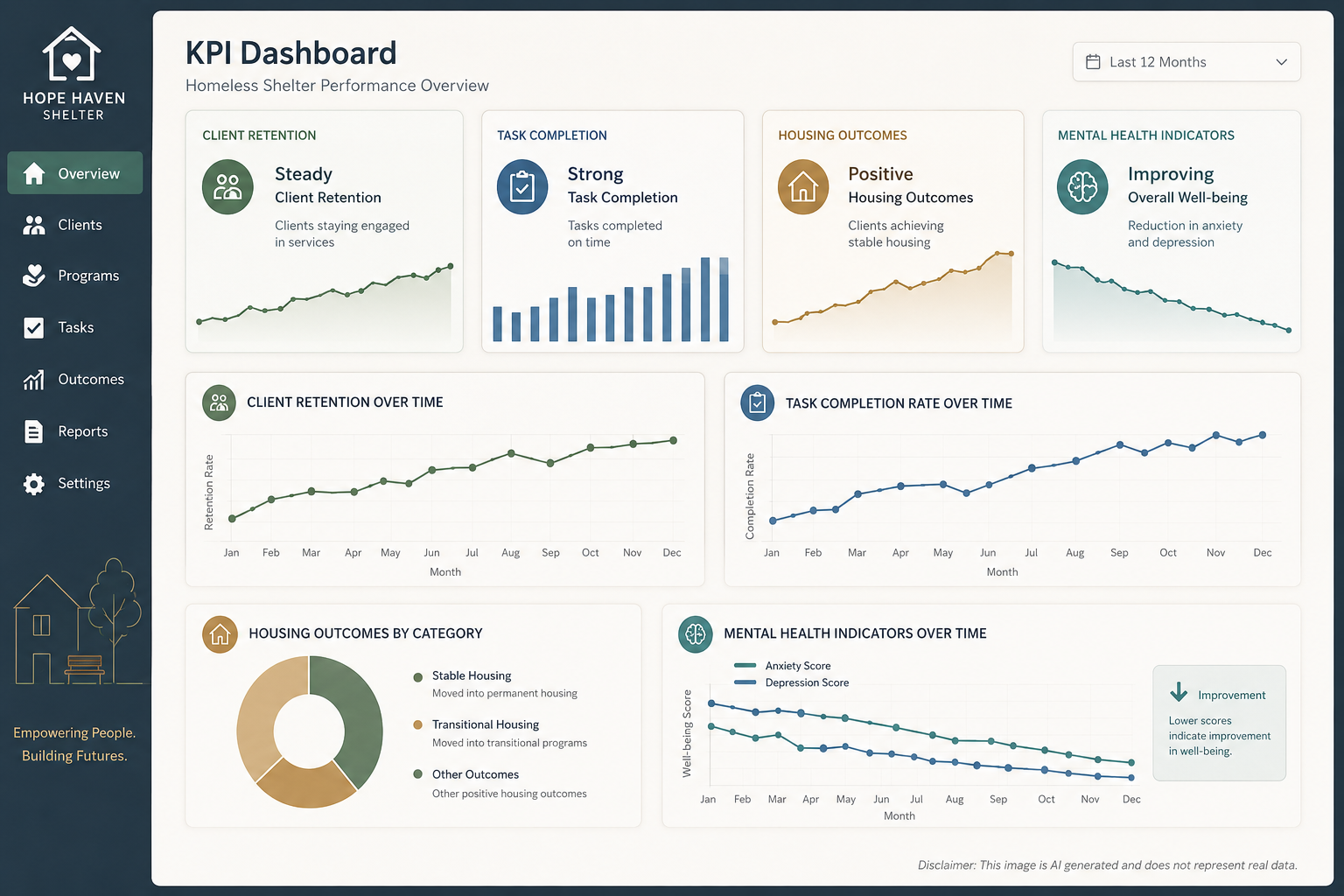
Marillac Place is a transitional shelter serving pregnant and parenting mothers experiencing homelessness. Over several years in a program development and evaluation role, I built the organization's first agency-wide KPI system — including client retention, task completion, housing outcomes, and mental health indicators — and automated data collection through interactive Power BI dashboards to support real-time decision making.
The results were measurable: evidence-based program changes led to an 84% reduction in warnings issued to participants and a 200% increase in housing plan completion rates.
Community Needs Survey
Marillac Place, Camino Wellbeing + Mental Health, and The Pregnancy Centre | Community Needs Assessment
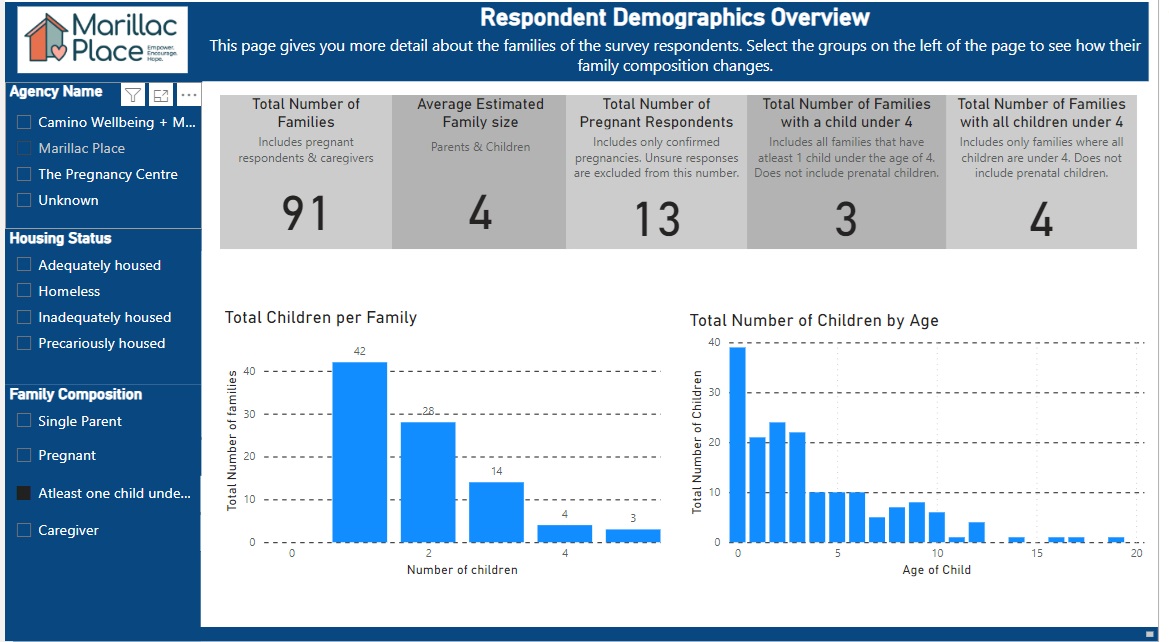
The Community Needs Survey was a shared measurement tool developed across three organizations to measure the service needs of low-income families in Waterloo Region — including service access rates, prioritization of services, and barriers to access. I led all aspects of the project: stakeholder engagement, participant recruitment, ethics approval, survey design, data analysis, and final reporting. I also built interactive dashboards to share findings across partner organizations.
Measuring the Impact of the Market Dollars Program
The Food Bank of Waterloo Region | This project was lead by a Graduate Student (Hamaz Tariq) and facilitated by Greta.
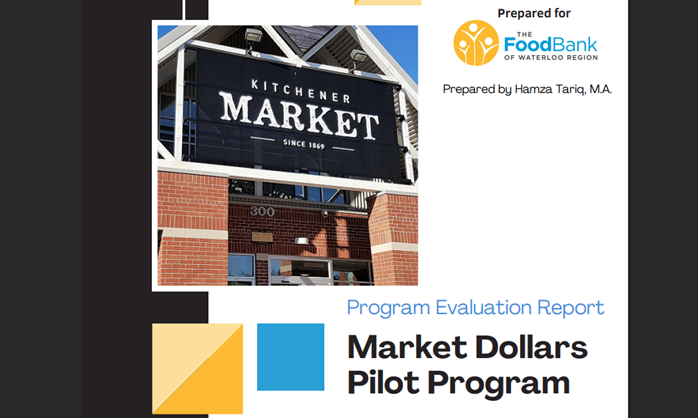
The Food Bank of Waterloo Region ran a Market Dollars Pilot Program, a collaborative initiative providing households experiencing food insecurity with $100/month to spend on fresh food at the Kitchener Market. I connected a graduate student researcher with the organization and provided oversight throughout the project.
The student designed an experimental study to evaluate program impact, coordinated data collection with the Food Bank, analyzed behavioral data alongside participant surveys, and produced a final report.
Measurement 101 Workshop: Content creator and facilitator
In partnership with M4C — a working group of the Children and Youth Planning Table of Waterloo Region
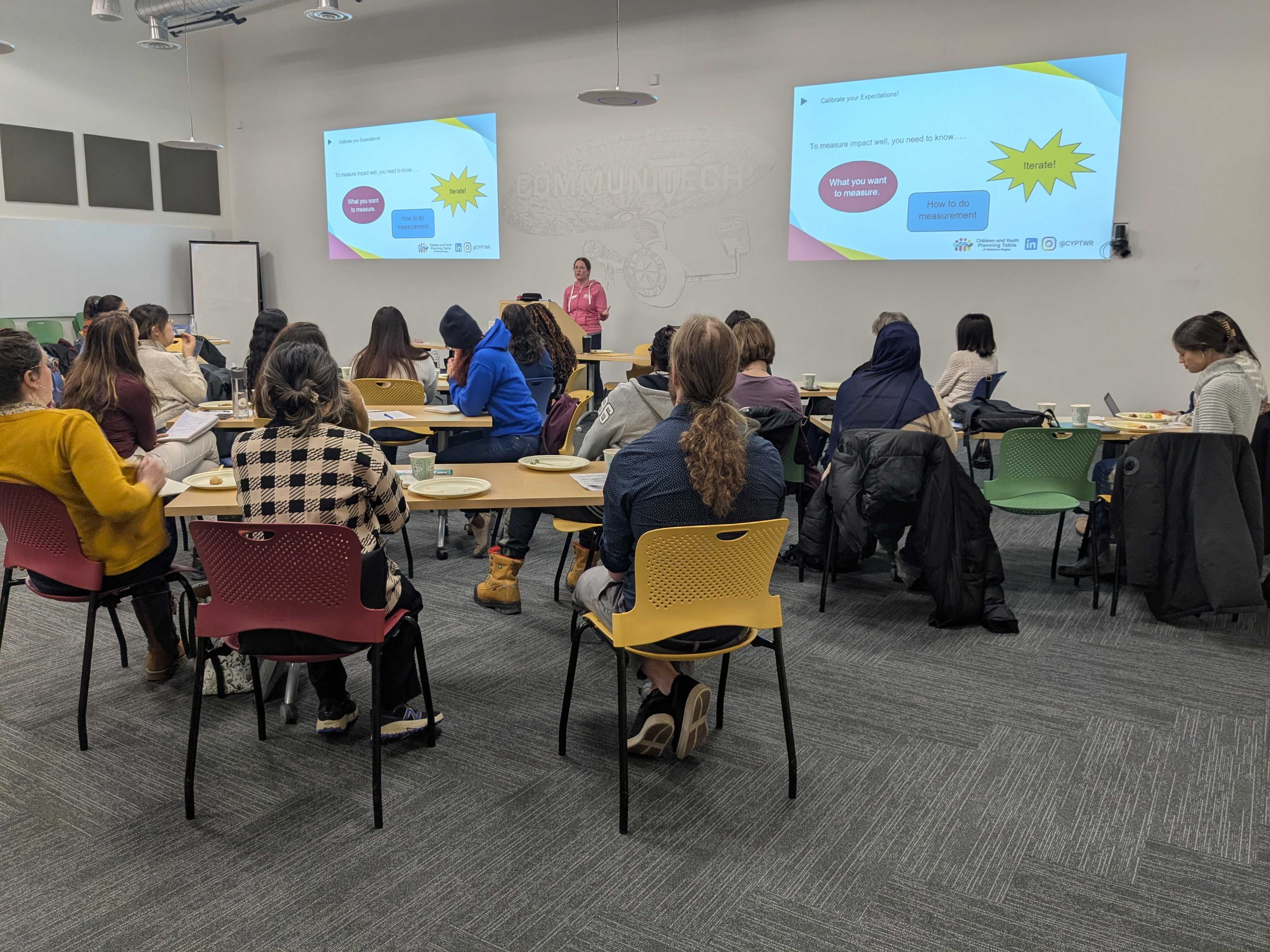
Measurement 101 was a pilot course designed to help small nonprofits build their own internal measurement capacity. I developed and delivered the course, which used a hybrid model: asynchronous learning modules paired with synchronous sessions where participants applied course content to real measurement projects with support from graduate student mentors.
Fourteen organizations participated, representing a range of sectors including mental health, food security, literacy, and community foundations. All participants said they would recommend the course. Participants rated the course content, instructor support, and mentorship highly across the board.
"[This course was] well paced and provided quality content and instruction that was very helpful to our agency and we left with a plan to move forward with."
"Greta was very approachable and made the course content more accessible. She is very good at coming up with examples for new concepts."
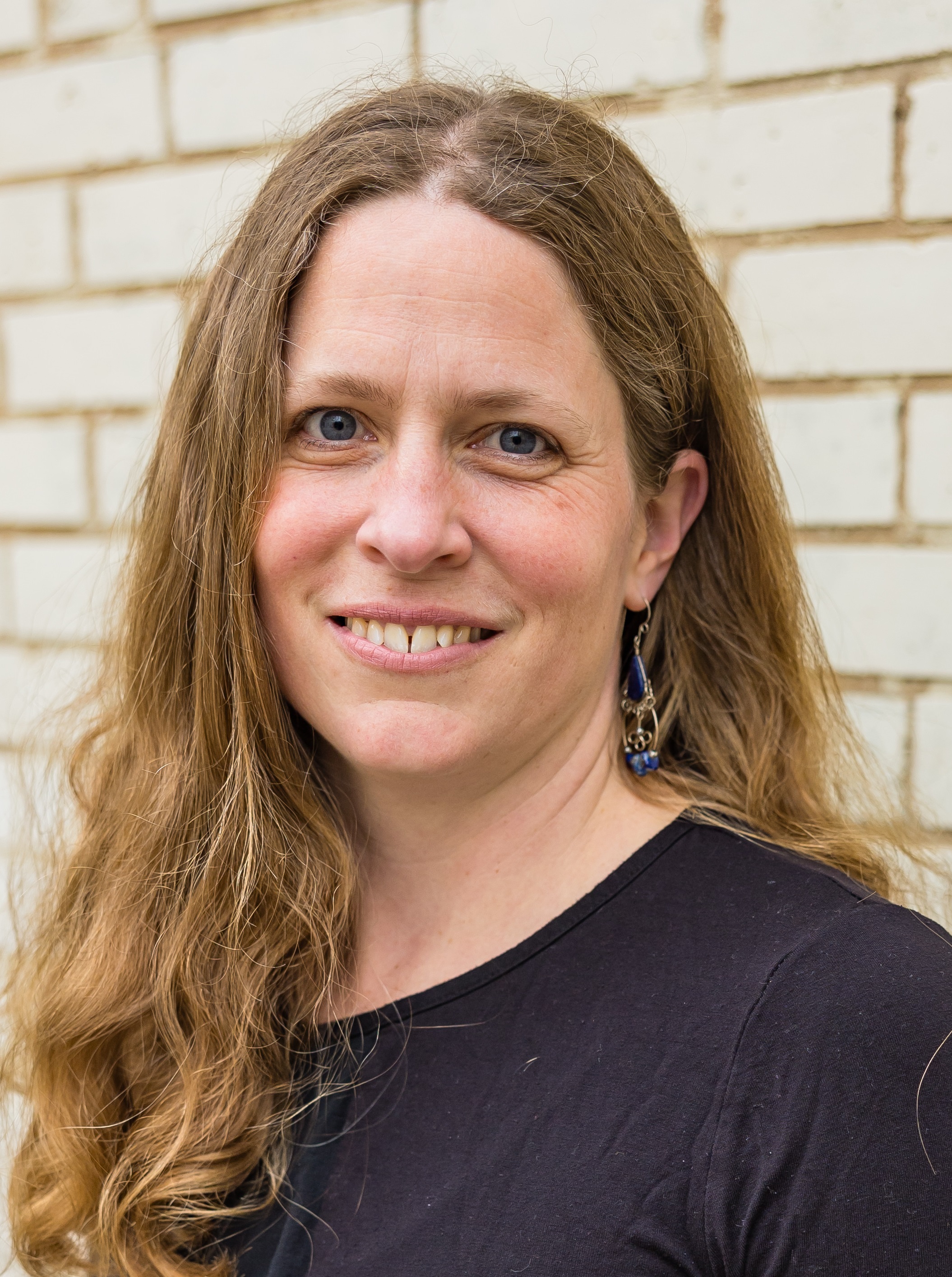
Greta James is a researcher and monitoring and evaluation consultant based in Southern Ontario, with a PhD in cognitive psychology from the University of Waterloo.
Learn more about Greta →